Menu

Breast Lump Concerns: Expert Guidance and Next Steps in Kiwale

Identifying Lumps During the Menstrual Cycle in Kiwale

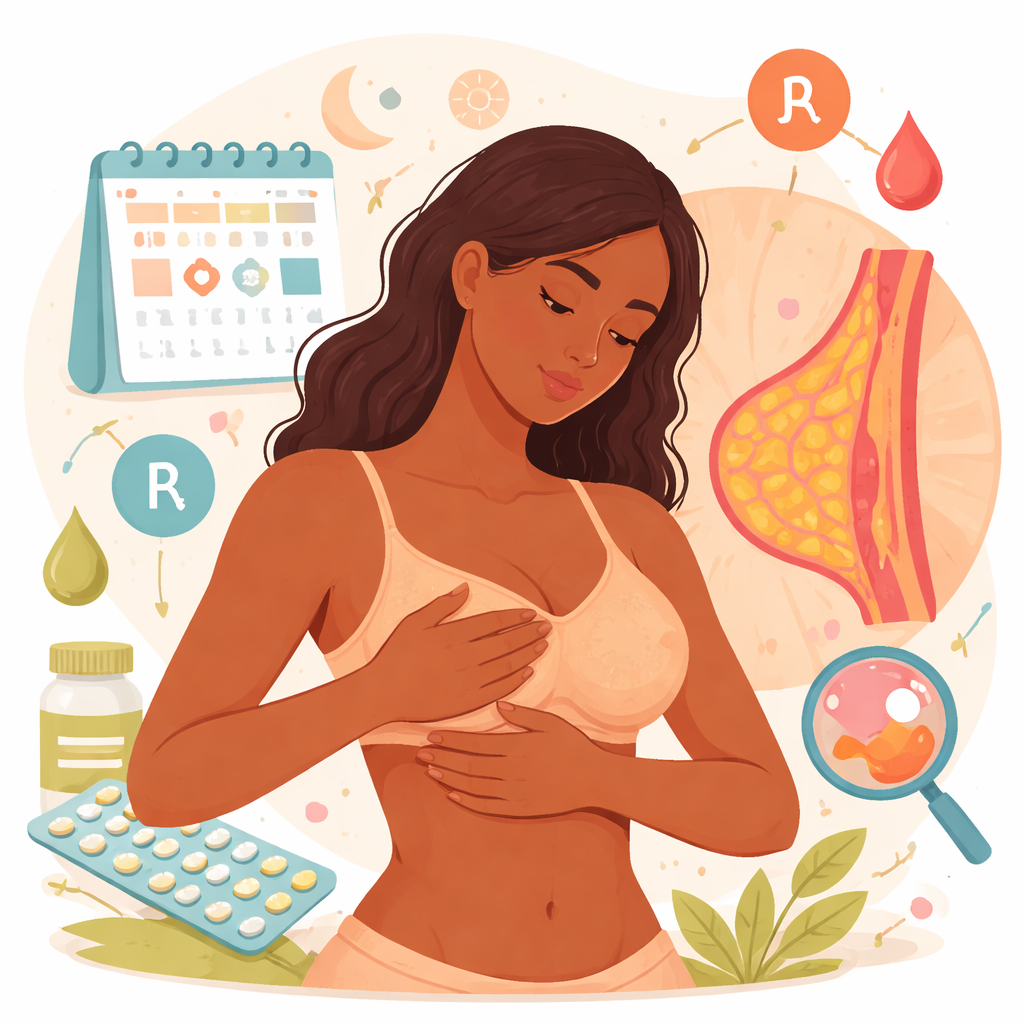
Discovering a breast lump just before your period can be a confusing and anxiety-inducing experience. It’s essential to understand that hormonal changes during the menstrual cycle often cause the breasts to feel lumpy, swollen, or tender. However, recognizing when a lump is unusual or persistent is crucial. Typically, lumps that fluctuate with your cycle are benign, often related to fibrocystic changes, a common non-cancerous condition. It’s important to perform regular breast self-exams to track any changes over time. If a lump does not reduce in size or disappear after your period, it might need further evaluation. Consulting a healthcare professional can help determine whether additional testing, such as a mammogram or ultrasound, is necessary. Although many lumps are benign, being proactive about your breast health is the best preventative measure. It's crucial to use verified healthcare sources and schedule regular check-ups to ensure any concerns are addressed promptly.

Understanding Hormonal Influences in Kiwale

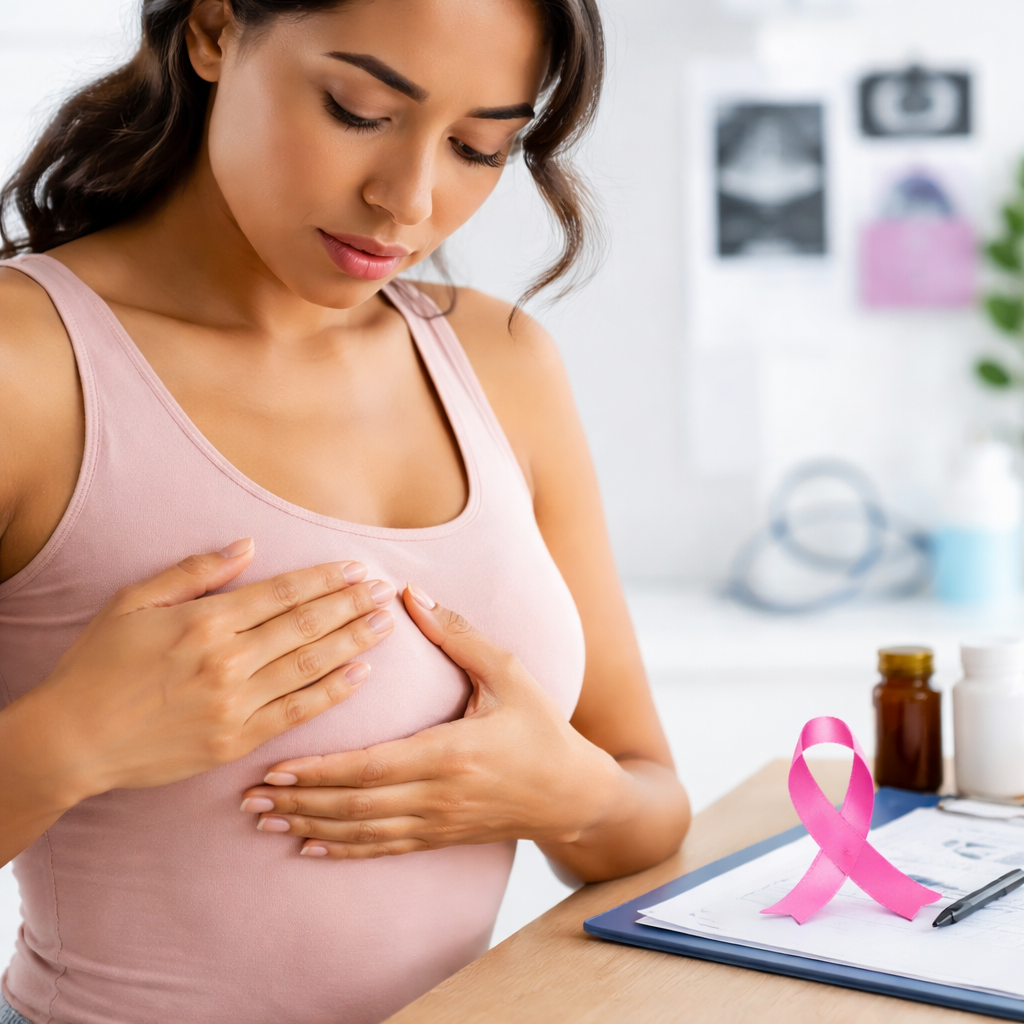
Hormonal fluctuations throughout the menstrual cycle can lead to changes in breast tissue, sometimes resulting in palpable lumps. Before menstruation, estrogen and progesterone levels rise, which can cause the ducts and lobules within the breasts to swell. This is often accompanied by tenderness or discomfort, but it generally resolves after the period starts. Despite this, it’s vital to note if the breast lump persists or changes in character, as persistent lumps could require further evaluation. Some women experience cyclic breast pain, which is generally hormonally mediated and not typically associated with cancer. However, staying vigilant about any new or persistent changes can lead to early detection of conditions like fibroadenomas or even early-stage breast cancer. Understanding these hormonal influences can help demystify symptoms and reduce anxiety, but it’s always w
ise to bring persistent issues to the attention of a healthcare provider.

When to Consult a Healthcare Professional in Kiwale

It’s understandable to feel concerned upon discovering a breast lump, especially if it doesn’t disappear after your period. Consulting a healthcare professional ensures that proper steps are taken for diagnosis and peace of mind. Physicians can assess the physical characteristics of the lump, such as its size, texture, and mobility, and decide whether imaging tests are necessary. While many lumps are benign, certain features might prompt further investigation. For women over 40, regular mammograms are advised as a part of preventative health, whereas younger women might benefit from ultrasounds if a lump appears suspicious. Early evaluation can differentiate between benign conditions like cysts and more serious ailments. Moreover, a professional consultation provides an excellent opportunity to discuss any other breast health concerns or symptoms you might be experiencing. Exp
ert advice ensures that you’re on the right path to maintaining optimal breast health.

Myths and Facts about Breast Lumps in Kiwale

Myths surrounding breast lumps can often exacerbate anxiety. One widespread myth is that all breast lumps signify cancer, which isn't true. Many lumps, particularly in younger women, are benign and related to hormonal changes. Another common misconception is that only women with a family history of breast cancer are at risk. While family history is significant, many women diagnosed with breast cancer have no family history. Thus, everyone should be vigilant about changes in their breast health. Regular breast self-exams are crucial for early detection, yet self-examination does not replace professional screening. Annual health care appointments and understanding the facts about breast health empower individuals to make informed decisions. Navigating the complexities of breast cancer concern knowledgeably can make all the difference in health outcomes, emphasizing the
importance of separating myths from facts and seeking professional advice when facing ambiguous symptoms.

Frequently Asked Questions

What should I do if my breast lump doesn't disappear after my period? ➤
If your breast lump persists after your period, it is essential to consult a healthcare professional. They can evaluate the lump and recommend appropriate tests, such as an ultrasound or mammogram, to determine its nature. Staying informed and seeking timely medical advice can help manage breast cancer concerns effectively.
Are breast lumps before a period always harmful? ➤
Breast lumps that appear before a period are often related to hormonal changes and are not usually harmful. They often resolve after the menstrual cycle. However, if a lump remains or changes, it's important to consult a doctor to rule out any potential issues. This proactive approach supports women's healthcare and peace of mind.
How can I perform a breast self-exam? ➤
Perform a breast self-exam monthly, ideally a few days after your period ends. Inspect both breasts in front of a mirror for any visible changes, then use the pads of your fingers to feel each breast in circular motions. Consistency helps in noticing changes, which should be reported to a healthcare provider for further evaluation.
Why do breast lumps occur before menstruation? ➤
Breast lumps may appear before menstruation due to hormonal fluctuations like increased estrogen and progesterone. These hormones can cause breast tissues to swell, leading to lumps or tenderness. While often benign, persistent lumps should be evaluated by a medical professional to ensure proper breast health.
Can mammograms detect all breast lumps? ➤
Mammograms are a highly effective screening tool but do not detect all breast lumps, particularly in younger women with dense breast tissue. An ultrasound or MRI might be recommended for further evaluation. Regular screenings and professional evaluations are crucial components of maintaining overall women's wellness.
Call Us Now
Chat With Us