Menu

Understanding Blood in Stool - Don't Dismiss as Piles in Hinjewadi

Misdiagnosis: When Blood in Stool is Mistaken for Piles in Hinjewadi

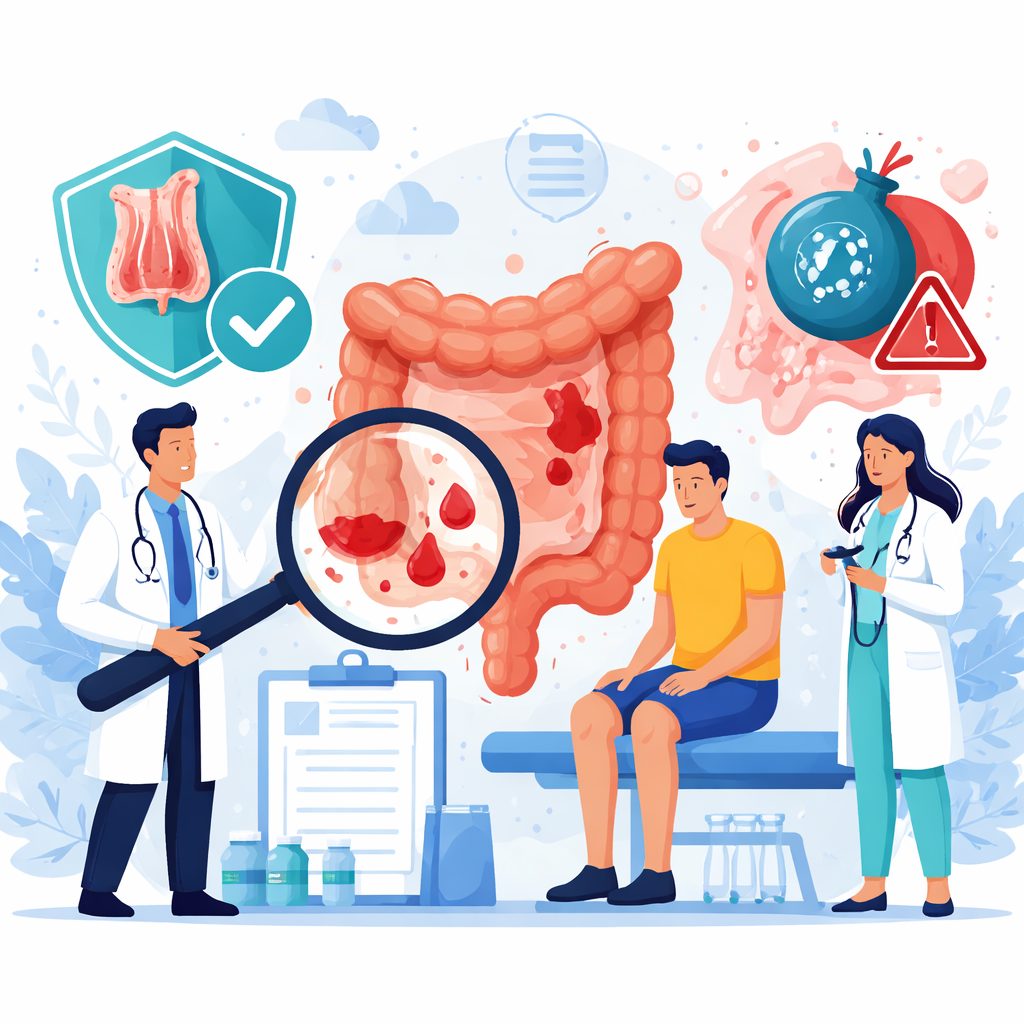
It's a common assumption that blood in stool is simply due to piles or hemorrhoids, but underestimating this symptom can lead to severe health risks. Many adults overlook this warning signal, mistaking it for less serious conditions like an analfissure or hemorrhoids. This often happens because the symptoms, such as pain and rectalbleeding, overlap, causing confusion. However, it’s crucial to understand the underlying causes critical for enhancing digestive health. Advanced cases of colorectal cancer might begin with minor bleeding episodes, which is why regular screenings are emphasized by medical professionals. Early-stage cancer detection significantly increases treatment success rates. Rather than dismissing symptoms as benign, individuals should seek a professional diagnosis. Gastroenterology experts suggest that using modern diagnosis techniques like c
olonoscopy and stoolanalysis can pinpoint the exact problem. Recognizing the risk factors, such as family history and age, can alert individuals to the necessity for regular check-ups. Current healthcare guidelines encourage patients to take such symptoms seriously, advocating for an informed approach over assumptions.

Understanding the Risks of Ignoring Colorectal Symptoms in Hinjewadi

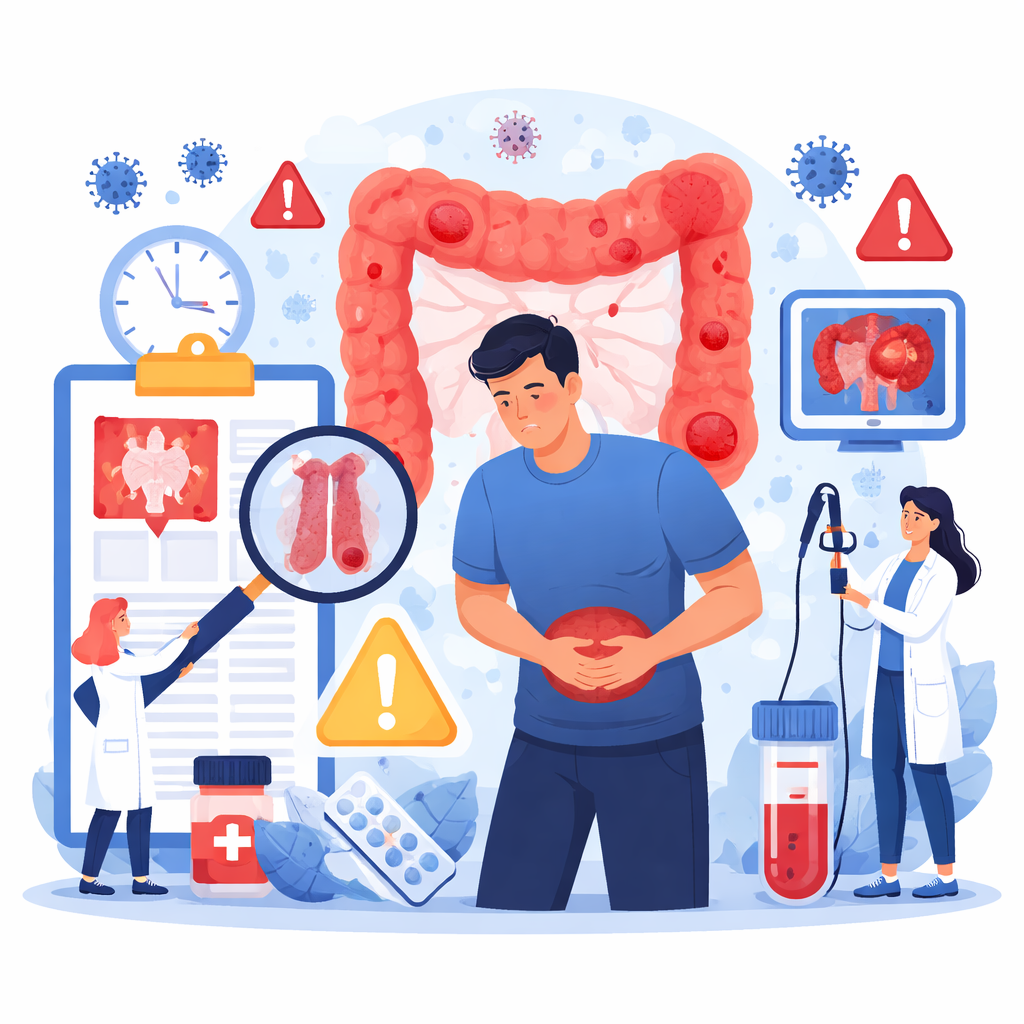
Ignoring the symptoms of colorectal issues can lead to dire health consequences. Colorectalcancer is one of the leading causes of cancer globally. Symptoms like chronic constipation, abdominal pain, and changes in bowel habits often accompany but are dismissed as minor issues or age-related. This neglect can be catastrophic, leading to late-stage diagnosis. Health experts stress the importance of recognizing these signs, particularly among those aged 50 and above. The use of non-invasive tests like fecal immunochemical tests (FIT) can provide early warnings of cancerous changes. While discussing with a gastroenterologist, patients often learn that risk reduction is possible with lifestyle changes, including diet rich in fiber, and proactive monitoring. Avoiding certain foods that irritate the digestive tract and maintaining healthy bowelhealth can prevent comp
lications. The integration of herbal remedies and modern medicine provides a comprehensive approach to managing symptoms effectively. The healthcare industry's emphasis on prevention reinforces the importance of not dismissing such signs simply as piles.

Diagnosis Techniques to Differentiate Between Piles and Serious Conditions in Hinjewadi

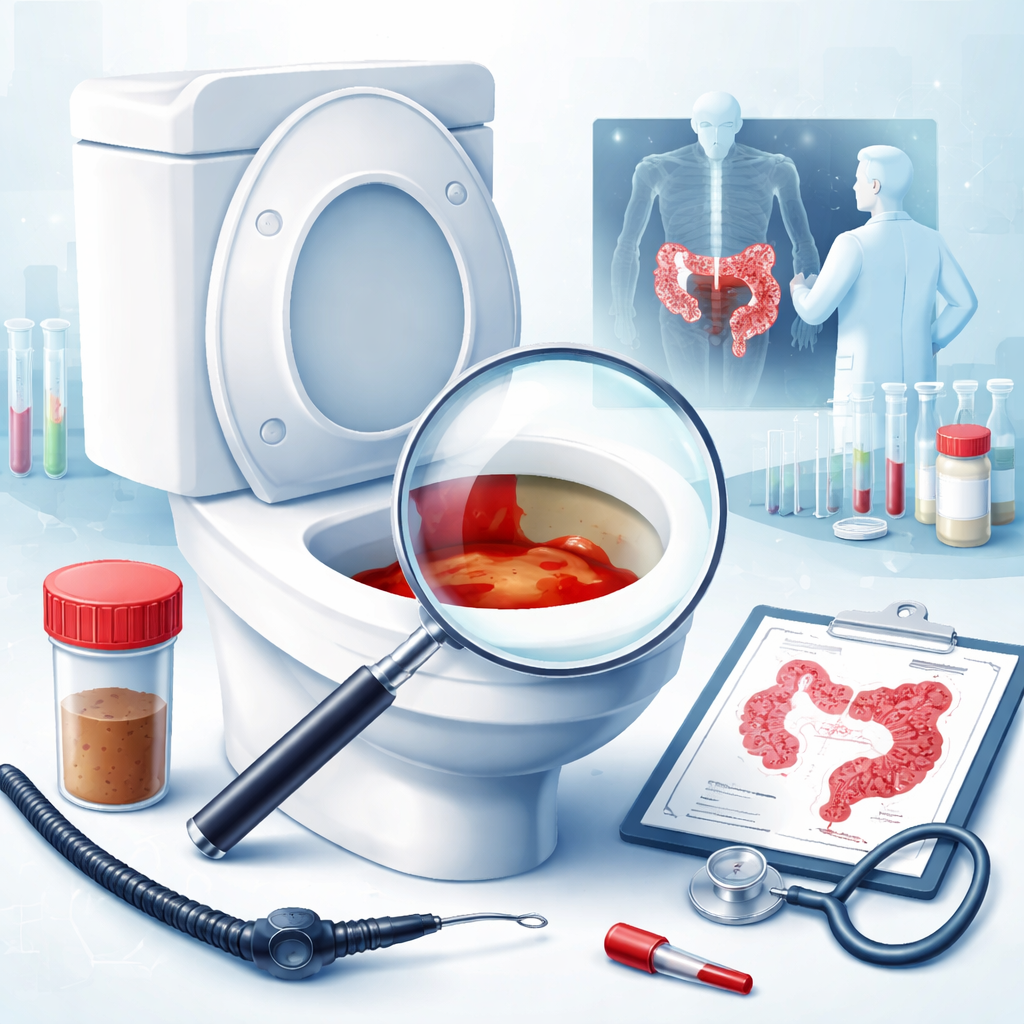
Differentiating between hemorrhoids and more serious conditions like stomachcancer requires precise medical intervention. GIhealth specialists recommend several diagnostic tests to accurately identify underlying causes. Colonoscopy is considered the gold standard, allowing direct visualization of internal structures. Other non-invasive tests, such as CT scans and MRIs, help identify any irregular growths or abnormalities. For those hesitant about invasive procedures, the evolving technology in stool sample tests offers a comfortable alternative. These advancements underscore the importance of early and accurate diagnosis, improving patient outcomes significantly. Discussing symptoms openly with healthcare providers can lead to faster resolutions and fewer complications. Ignoring these steps and self-treating with over-the-counter hemorrhoidstreatment without proper diagnosis can exacerbate hidden conditions. Encouraging regular health check-ups helps in timely intervention, crucial for preventing escalated health issues. With increased awareness and availability of advanced diagnostic tools, early detection rates and corresponding positive outcomes improve substantially.

Treatment Options and Lifestyle Adjustments in Hinjewadi

When faced with a diagnosis that includes bloodinstool, understanding the available treatment options can greatly influence recovery. Standard treatments vary depending on whether the condition is diagnosed as hemorrhoids, fissures, or colorectalcancer. Hemorrhoid treatments often include lifestyle changes, such as increased dietary fiber, hydration, and physical activity, to prevent chronic constipation. For more severe conditions like cancer, treatment plans may include surgery, chemotherapy, or radiation, tailored to the individual's health status. Alongside medical interventions, adopting a balanced diet rich in fruits and vegetables supports digestive health and overall well-being. Integrating regular exercise can further enhance bowelhealth and reduce the risk of future complications. Patients are encouraged to maintain regular health check-ups and screenings to monitor their digestive health actively. The proactive management of symptoms ensures not only relief but a path toward long-term gastrointestinal wellness. Ultimately, a comprehensive approach combining medical care and lifestyle modifications offers the best chance for recovery and quality of life improvement.

Frequently Asked Questions

What can blood in stool indicate if it's not piles?
If blood in stool is not due to piles, it can indicate other serious conditions like colorectalcancer or an analfissure. These require immediate medical attention. A thorough examination by a gastroenterologist can offer proper diagnosis and peace of mind while potentially directing towards early intervention.
How can one differentiate between piles and colorectal cancer?
Differentiating between piles and colorectalcancer involves recognizing unique symptoms like unexplained weight loss or persistent changes in bowel habits. Professional diagnosis using colonoscopy or stoolanalysis is crucial. Consult a GIhealth expert to explore accurate diagnosis options and ensure effective treatment.
Why is early detection of colorectal cancer important?
Early detection of colorectalcancer dramatically enhances treatment success. With early stage identification through tests like FIT, interventions are more effective. It emphasizes the vital role of regular screenings and prompt attention to symptoms like persistent rectalbleeding or changes in bowel habits to preserve bowelhealth.
What are the risks of self-treating blood in stool as piles?
Self-treating blood in stool as piles without proper diagnosis risks overlooking serious conditions like stomachcancer. This can lead to delayed treatment and progression of disease. It’s essential to consult healthcare professionals for an accurate diagnosis and appropriate intervention. Prevent serious health outcomes by prioritizing proper care.
How can lifestyle changes aid in managing hemorrhoid symptoms?
Lifestyle changes such as increasing dietary fiber, staying hydrated, and regular exercise can effectively manage hemorrhoid symptoms. This promotes healthier bowelhealth and eases discomfort. These adjustments help prevent constipation and reduce strain during bowel movements, offering a natural approach to managing digestivehealth.
Call Us Now
Chat With Us