Menu

Non-Healing Mouth Ulcers: Signs of Oral Cancer? in Punawale

Understanding Non-Healing Mouth Ulcers in Punawale

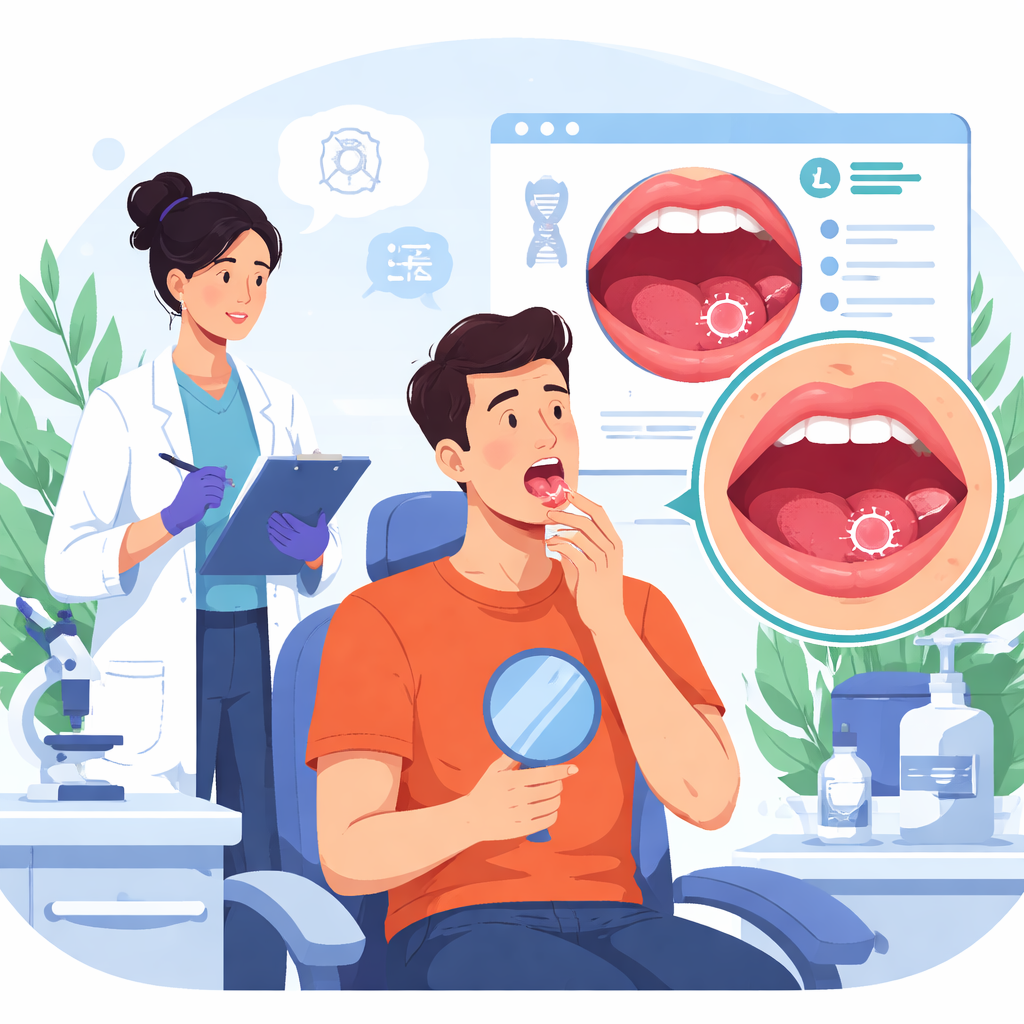
A non-healing mouth ulcer can be an early indicator of a health concern that shouldn’t be ignored. Typically, mouth ulcers heal within a week or two. However, if an ulcer lingers beyond three weeks without signs of improvement, it can be alarming. These persistent ulcers might result from trauma, stress, or certain medications, but they can sometimes signify serious conditions like oral cancer. Importantly, having a persistent mouth ulcer alone doesn’t necessarily diagnose cancer, but it highlights the need for a professional evaluation. Visiting a healthcare provider ensures you receive a proper diagnosis, offering peace of mind or allowing for early intervention. Understanding the causes and symptoms of mouth ulcers can be crucial for effective treatment. Seeking prompt medical advice aids in identifying the root cause, whether it's nutritional deficiencies or
more severe conditions. Non-healing ulcers warrant careful observation and appropriate action. Becoming vigilant about oral health can save you from unnecessary anxiety and potential health complications.

Recognizing Symptoms of Oral Cancer in Punawale

Oral cancer presents with various symptoms, among which a non-healing mouth ulcer is a prominent one. Patients may notice additional signs such as white or red patches inside the mouth, unexplained bleeding, or a lump forming in the mouth or neck area. These symptoms should prompt an immediate visit to a healthcare professional for assessment. Early detection of oral cancer significantly increases the chances of successful treatment. Other symptoms might include difficulty swallowing, persistent ear pain, and sudden weight loss, which are often overlooked by patients. Understanding these symptoms and addressing them with urgency can be lifesaving. Regular dental check-ups and self-examinations play a critical role in identifying potential risks early. Moreover, educating yourself on the risk factors—such as tobacco use, excessive alcohol consumption, and prolonged sun exp
osure—can help in minimizing the chances of developing oral cancer. Stay informed and proactive about these signs to promote long-term health.

Risk Factors Associated with Oral Cancer in Punawale

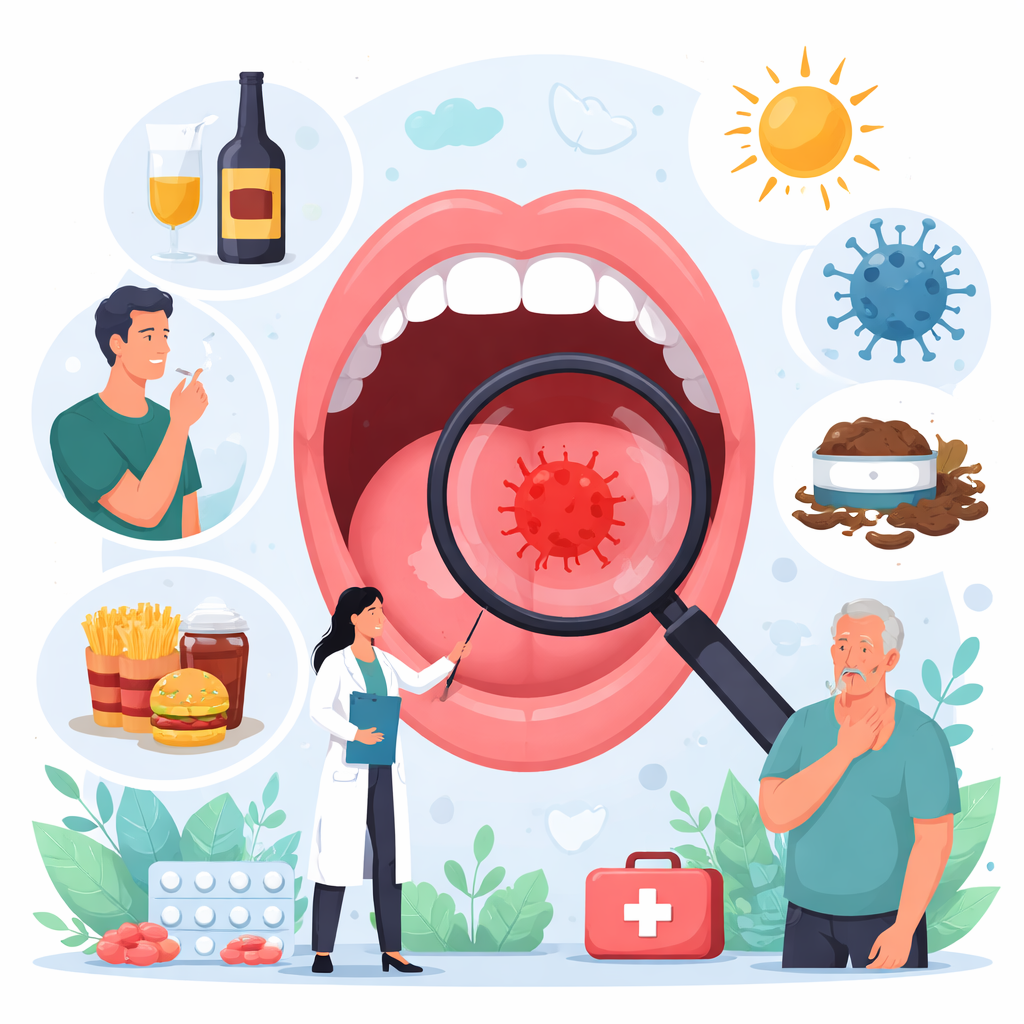
Identifying risk factors associated with oral cancer can aid in taking preventive measures. Tobacco use remains the most significant risk factor, with both smoking and smokeless tobacco increasing the likelihood of developing cancerous cells in the mouth. Excessive alcohol consumption further amplifies this risk, especially when combined with tobacco use. Another contributing factor is infection by the human papillomavirus (HPV), known to escalate oral cancer risks. Genetics also plays a role; a family history of cancer may indicate a predisposition to oral cancer. Furthermore, prolonged exposure to the sun can affect the lips, leading to cancerous changes. Adopting lifestyle changes such as smoking cessation and alcohol moderation can significantly reduce risk. Regular screenings and lifestyle assessments with healthcare professionals provide personalized strategies to mitigate t
hese risks. Informing yourself and making informed decisions about your oral health is essential in reducing the impact of these risk factors.

The Importance of Early Detection and Treatment in Punawale

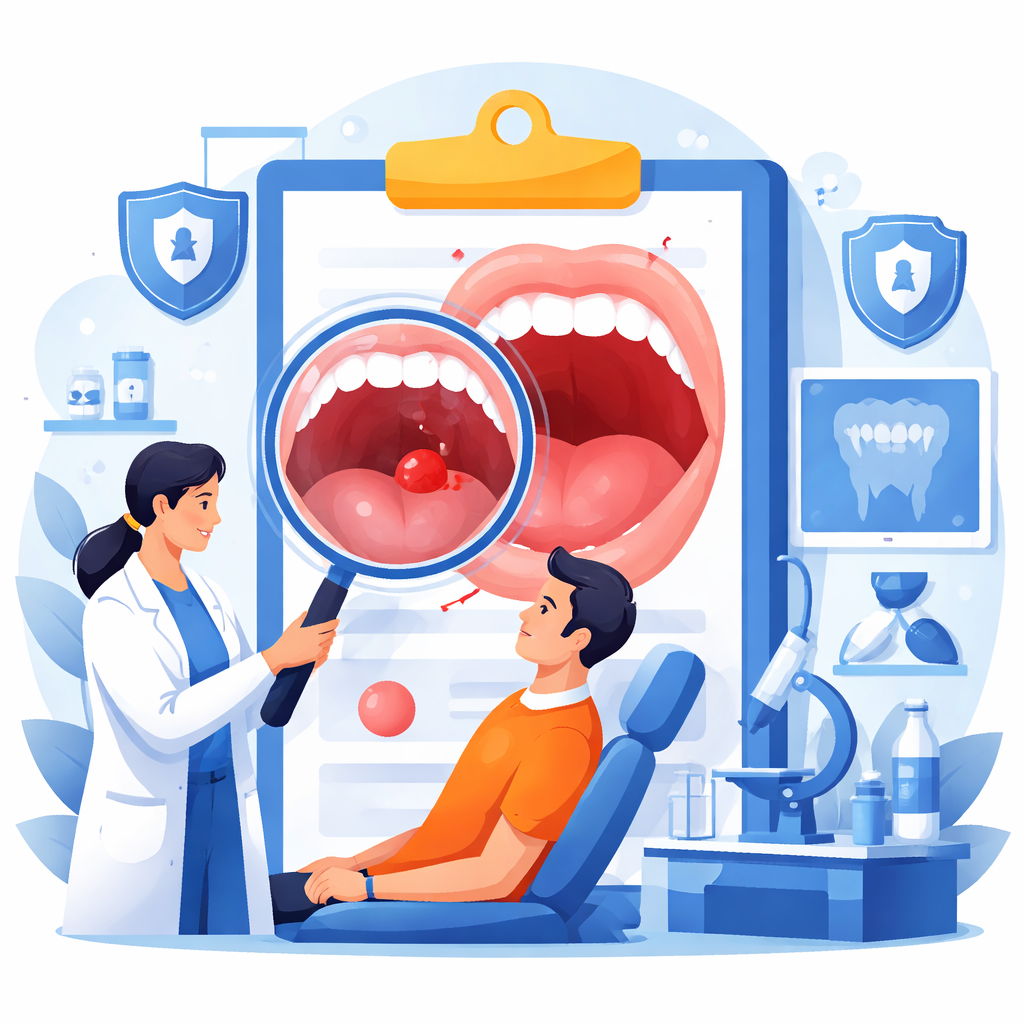
In the context of oral health, the importance of early detection and treatment of oral cancer cannot be overstated. When a non-healing mouth ulcer appears suspicious and is diagnosed promptly, it allows for a broader range of treatment options and improves prognosis. Treatment methodologies may vary depending on the diagnosis and may include surgery, radiation therapy, or chemotherapy. Early detection also minimizes the extent of intervention required, reducing recovery time and improving quality of life. Regular visits to dental or medical professionals facilitate the early identification of suspicious changes in oral tissues. Empowering individuals with knowledge about self-examination techniques and routine professional check-ups boosts confidence in managing oral health effectively. Moreover, awareness campaigns through community outreach can educate the general public about t
he significance of early oral cancer detection and encourage proactive health practices. Being proactive about your health ensures early intervention, potentially preventing further complications and upholding your overall wellbeing.

Frequently Asked Questions

What indicates a non-healing mouth ulcer might be cancerous?
A non-healing mouth ulcer that persists for over three weeks, combined with symptoms like white or red patches, unexplained bleeding, or lumps, increases concern for oral cancer. Consulting a healthcare provider is crucial for a correct diagnosis and timely intervention.
How can lifestyle changes help prevent oral cancer?
Lifestyle modifications such as quitting tobacco, reducing alcohol consumption, and using sun protection for lips can significantly lower oral cancer risks. Regular dental check-ups and health screenings further aid in early detection, increasing the chances of successful treatment.
Why is early detection important for oral cancer?
Early detection of oral cancer enhances treatment success rates. It allows for less invasive interventions and quicker recovery, ultimately improving patient outcomes. Awareness and regular screenings play vital roles in catching the disease before it advances.
What are some common symptoms of oral cancer?
Common symptoms of oral cancer include persistent mouth ulcers, red or white patches, unexplained bleeding in the mouth, and difficulty swallowing. Noticing these symptoms should prompt a visit to a healthcare professional for early assessment and management.
Can oral cancer be prevented?
While not all cases are preventable, minimizing risk factors like tobacco and alcohol use significantly decreases oral cancer likelihood. Regular medical check-ups and understanding personal risk factors can further aid in prevention, enhancing overall health awareness.
Call Us Now
Chat With Us