Menu

Head & Neck Cancer Surgery: A Guide to Treatment Options in Baner

Understanding the Necessity of Surgery in Head and Neck Cancer in Baner

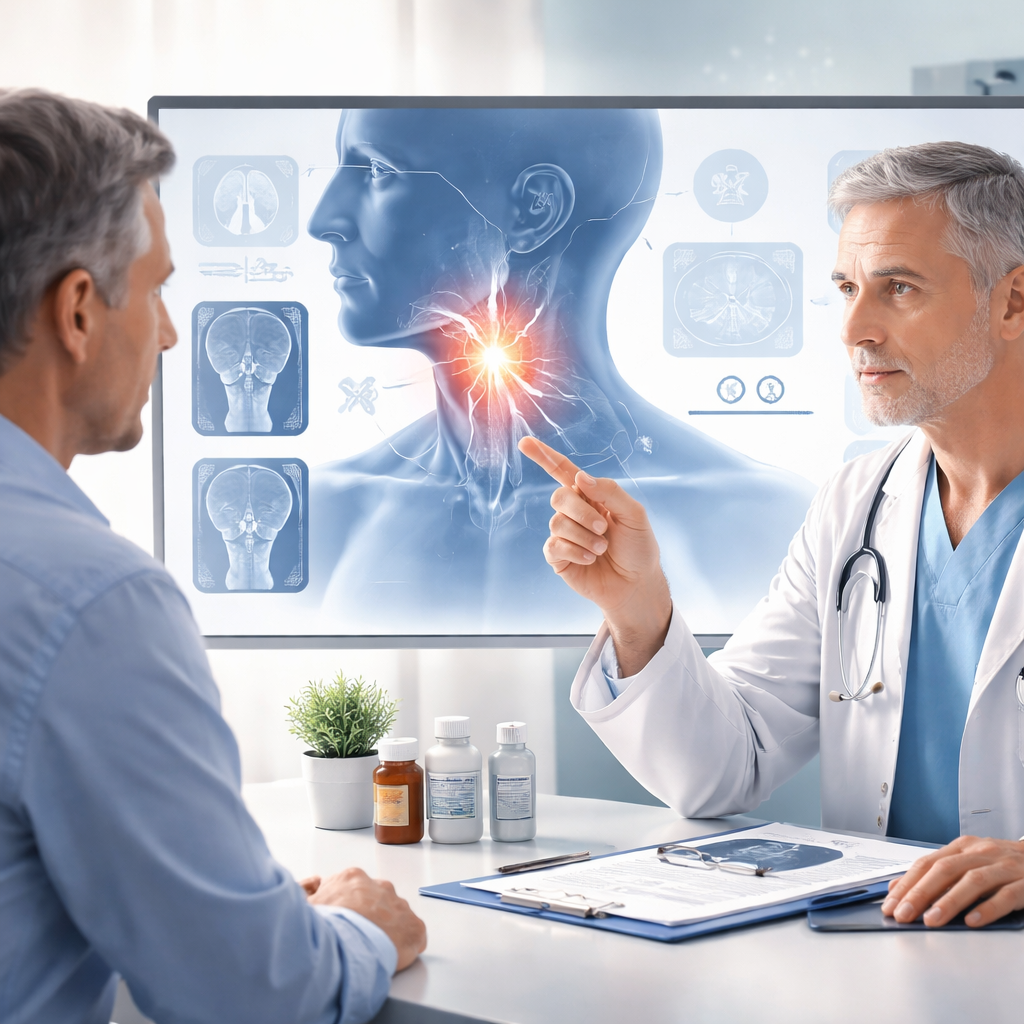
Head and neck cancer encompasses a variety of malignancies that can occur in crucial areas such as the mouth, throat, larynx, nose, and sinuses. The decision to proceed with surgery for head and neck cancer is made after thorough evaluation by a multidisciplinary team of oncology experts. This team assesses the tumor's size, location, and potential impact on functions such as speech and swallowing. Surgery is often deemed necessary when the cancer is localized and can be completely removed, providing the best chance for a cure or significant symptom relief. Techniques have evolved, favoring minimally invasive surgical approaches that offer faster recovery times and reduced scarring, thus enhancing patient outcomes. The involvement of a specialized treatment team is crucial in planning and executing a comprehensive strategy that may include surgical tumor remova
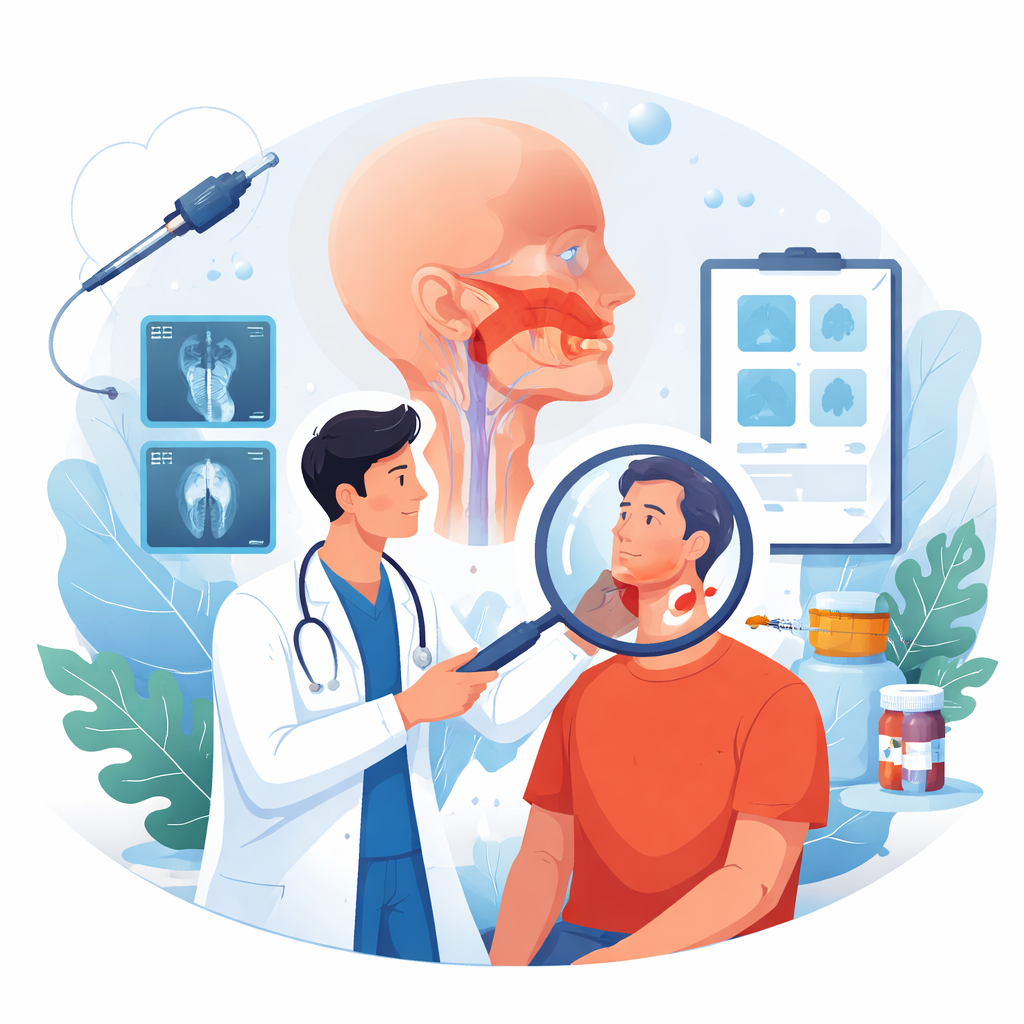
l, followed by adjunctive therapies like radiation or chemotherapy. Rigorous pre-operative planning and postoperative care ensure that patients achieve the best outcomes, minimizing side effects and maximizing cancer-free survival rates. The choice of surgery often hinges on tumor location and stage, and while it can be daunting, informed decision-making with a trusted healthcare provider can lead to successful treatment outcomes.

Types of Surgical Procedures in Head and Neck Cancer in Baner

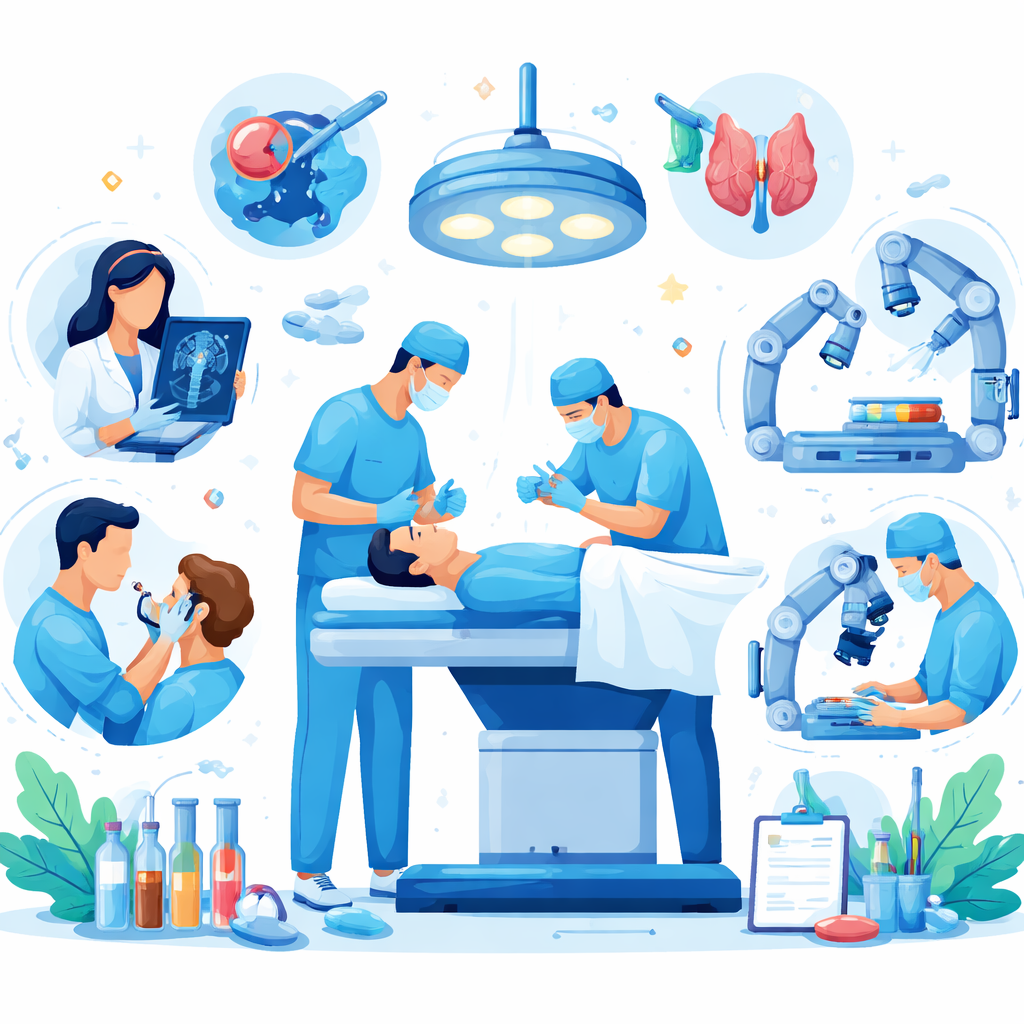
Several types of oncological surgeries may be utilized in treatment, tailored to the specific needs of the patient. Common procedures include tumor resection, neck dissection, and reconstructive surgery, each playing a critical role in managing cancer effectively. Tumor resection aims to completely remove the cancerous tissue, while neck dissection might be performed to eradicate lymph nodes harboring cancer cells, a vital step in preventing further spread. Reconstructive surgery is often necessary post-tumor removal to restore function and appearance, utilizing advanced techniques such as microvascular free tissue transfer. Each procedure entails specific challenges and requires the expertise of an experienced surgical team specialized in head and neck oncology. The complexity of these surgeries demands an understanding of facial aesthetics, nerve preservation, and the

critical functionality of the head and neck regions. Advances in technology, like robotic surgery and laser applications, have transformed the surgical landscape, making procedures more precise and less invasive. Patients considering these options must be provided with comprehensive resources to understand the risks, benefits, and realistic expectations of each surgical intervention, ensuring they make informed choices aligned with their health goals and quality of life aspirations.

Rehabilitation and Recovery Post-Surgery in Baner

Recovery from head and neck cancer surgery is a critical phase that involves both physical healing and functional rehabilitation. Given the sensitive nature of head and neck regions, patients often require targeted therapies to regain essential functions like speaking, eating, and swallowing. Speech and swallowing therapy are integral components of post-surgical care, tailored by specialists to aid in restoring these functions gradually and effectively. Nutritional support is also crucial, as many patients initially face challenges in maintaining adequate nutrition due to surgery-related restrictions. The psychological impact of surgery can be profound, necessitating accessible counseling services to help patients and families cope with changes in physical appearance and lifestyle. A well-coordinated follow-up plan is vital for monitoring recovery progress, managing complicatio

ns, and detecting any signs of cancer recurrence early. Timely intervention facilitated by an attentive healthcare team plays a key role in optimizing recovery outcomes, ensuring that patients not only survive but thrive post-treatment. The collective goal of rehabilitation programs is to enhance quality of life, enabling patients to return to their day-to-day activities with confidence and minimal disruption.

The Role of Multidisciplinary Care in Treatment Success in Baner

Effective treatment of head and neck cancer relies heavily on a multidisciplinary care approach, ensuring comprehensive patient management. This involves collaboration among surgeons, medical oncologists, radiation oncologists, pathologists, radiologists, speech therapists, and nutritionists, all contributing their expertise to develop a holistic treatment plan. The synergy of these varied disciplines allows for customized treatment strategies that address the specific needs of each patient, considering factors such as the unique biology of their cancer and their personal health objectives. Precision medicine approaches, where treatment is tailored based on the genetic makeup of the tumor, are increasingly becoming part of this integrated care strategy, leading to more personalized and effective treatments. Access to advanced care facilities equipped with cutting-edge technolog

y plays a significant role in the success of such multidisciplinary efforts, ensuring that patients receive appropriate interventions promptly. A primary focus is placed on continuous communication with patients and their families, keeping them informed and involved in decision-making, thus fostering a sense of trust and partnership. This comprehensive approach not only aims to eradicate the cancer effectively but also to support the patient's overall well-being and quality of life.

Frequently Asked Questions

When is surgery considered necessary for head and neck cancer?
Surgery is often necessary when head and neck cancer is localized and can be removed completely, providing the best chance for a cure. It is considered based on the tumor size, location, and potential impact on vital functions. Consulting with a multidisciplinary oncology team ensures a patient-centered treatment plan, optimizing outcomes and decreasing the risk of recurrence.
What types of surgical procedures are available for head and neck cancer?
Available surgical procedures include tumor resection, neck dissection, and reconstructive surgery, each addressing specific aspects of cancer removal and recovery. These oncological surgeries are tailored to the patient’s needs, balancing the removal of cancer while preserving appearance and function. Advances in minimally invasive technology have enhanced precision and reduced recovery times.
How do patients typically recover from head and neck cancer surgery?
Recovery involves physical healing and functional rehabilitation, such as speech and swallowing therapies. Nutritional support is crucial due to eating difficulties. The recovery process requires a collaborative effort from a dedicated healthcare team to monitor progress and ensure comprehensive care, focusing on quality of life and preventing complications.
How does multidisciplinary care impact treatment success?
Multidisciplinary care involves a team of specialists working together to create a personalized treatment plan. This approach increases success rates by considering all aspects of patient care, from surgical interventions to support services. Enhanced communication and precision medicine strategies contribute to more effective treatment outcomes and improved patient satisfaction.
What role do patients play in their head and neck cancer treatment planning?
Patients play a critical role by engaging actively with their healthcare providers, asking questions, and understanding the risks and benefits of various treatment options. Their preferences and quality of life goals are integral, shaping a treatment strategy that not only addresses the cancer effectively but also supports personal health objectives and emotional well-being.
Call Us Now
Chat With Us